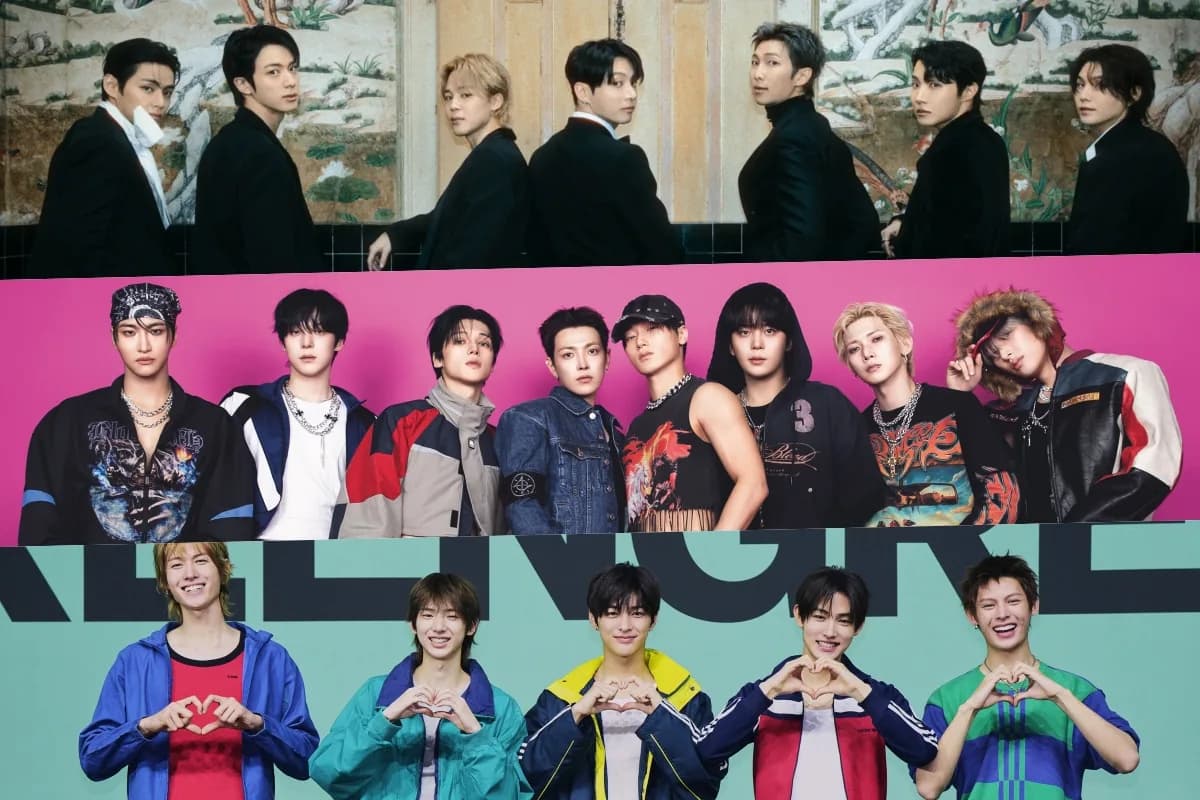
BTS secured the top position in the August boy group brand reputation rankings, as announced by The Korean Business Research Institute. This achievement follows their consistent performance, reinforcing a trajectory of sustained public interest.
The group held onto their spot at the top, reflecting robust engagement across various metrics. Their continued dominance highlights a powerful connection with consumers, a testament to their enduring appeal in the global music scene.
According to Soompi, the rankings were determined through a detailed analysis of big data collected from July 8 to August 8. This analytical process evaluates consumer participation, media coverage, interaction, and community indexes for numerous boy groups. One notable element is how BTS consistently generates high scores across all these categories, indicating a well-rounded and deeply embedded brand presence. This data-driven approach offers a clear picture of their market influence, moving beyond simple fan metrics to include broader public perception and media footprint. The Korean Business Research Institute’s methodology provides a robust framework for understanding the ebb and flow of idol group popularity.
This consistent chart performance for BTS underscores their strategic creative direction and high production value in all their endeavors. Their enduring brand strength continues to set a benchmark within the competitive K-Pop industry.
Frequently Asked Questions
What are the latest boy group brand reputation rankings?
The latest brand reputation rankings for male idol groups, covering data collected from July 8 to August 8, show BTS in the top position. The Korean Business Research Institute determines these rankings by analyzing consumer participation, media coverage, interaction, and community indexes. This consistent performance by BTS indicates their strong public engagement and continued relevance in the K-Pop industry.
How are K-Pop group brand reputation rankings calculated?
K-Pop group brand reputation rankings are calculated by The Korean Business Research Institute through an analysis of big data. This data encompasses several key metrics: consumer participation, which measures public involvement; media coverage, assessing visibility across news platforms; interaction, reflecting fan engagement; and community indexes, gauging online discussion and sentiment. The collected data is then processed to assign a score, providing a quantitative measure of a group's overall brand influence and public perception.





Comments (0)
Loading…